
The three pillars
| Pillar | Who uses it | How it is paid |
|---|---|---|
| Social Security Fund (CSS) | Salaried and self-employed workers who contribute, pensioners and their dependants | Payroll contribution: 9.75% from the worker and 12.25% from the employer. Care has no co-payment. |
| Ministry of Health (MINSA) | The whole population, including uninsured foreigners | Token fees per consultation; vaccination and public health programmes are free. |
| Private sector | Anyone with private insurance or paying per service | Direct payment or insurance. Local and international insurers have agreements with the hospitals. |
How the Social Security Fund works
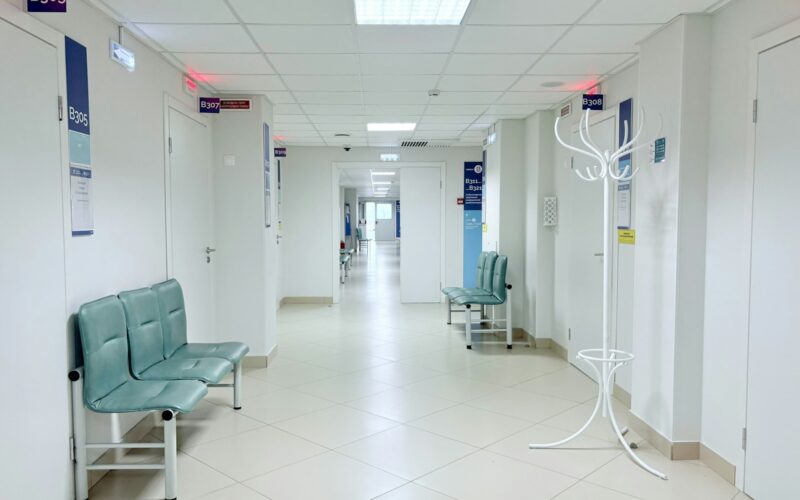
The CSS is both the pension system and the country’s largest health provider. Anyone working under contract in Panama contributes automatically and is covered together with their spouse and minor children. It has polyclinics in every district and referral hospitals such as the Arnulfo Arias Madrid Hospital Complex in Panama City. Care is complete, from consultation to surgery and medicines, with no co-payment. Its limitation is waiting: specialist appointments and scheduled surgery can take months.
How MINSA works
MINSA runs the public network for those who do not contribute: health centres, polycentres and regional and national hospitals, such as Hospital Santo Tomás. Anyone can attend, including foreigners, paying a token fee per consultation. It also runs the vaccination, epidemic control and maternal and child health programmes, which are free for everyone.
The private sector
Panama City has the reference private hospitals of Central America. Four hold Joint Commission International (JCI) accreditation: Pacífica Salud Hospital Punta Pacífica, affiliated with Johns Hopkins Medicine, The Panama Clinic, Hospital Nacional and Centro Médico Paitilla. They see patients without waiting lists, in Spanish and English, and are the base of medical tourism. A specialist consultation costs between 50 and 120 balboas, and a day in hospital between 150 and 500, depending on the centre.
What a foreigner is entitled to
- Tourist: can use MINSA for the fee and any private hospital. Travel insurance is advisable.
- Resident employed in Panama: contributes to the CSS and is covered with their family.
- Resident without local employment (pensioner, investor, digital nomad): does not contribute to the CSS; uses MINSA or takes out local or international private insurance.
- Retiree with a foreign pension: may join the CSS voluntarily in some cases, or use private insurance, which is the usual choice.
Frequently asked questions
Is healthcare in Panama free?
CSS care has no co-payment for contributors and their dependants. MINSA charges token fees and its vaccination programmes are free. Private care is paid directly or through insurance.
Can a foreigner use Panama’s Social Security Fund?
Yes, if they work in Panama under contract and contribute. Their spouse and minor children are covered. Residents without local employment do not contribute and use MINSA or private insurance.
What is the emergency number in Panama?
911 is the Single Emergency Management System, which coordinates ambulances, fire and police nationwide.
Related articles
- Medical tourism in Panama: accredited hospitals and treatments
- Residency in Panama by investment
- Which dental clinics AI recommends in Panama
Sources
- Social Security Fund of Panama (CSS).
- Ministry of Health of Panama (MINSA).
- Joint Commission International, accredited organisations in Panama.
Ask about this article
Type your question and we will show you the answer inside this article or in other Radar Panamá publications.