
Buying, selling, renting or building in Panama depends on zoning, on the property title and on who backs the project. Here are the Radar Panamá guides, rankings and studies on the property market, to decide with verifiable data.
Start here
Essential guides on this topic
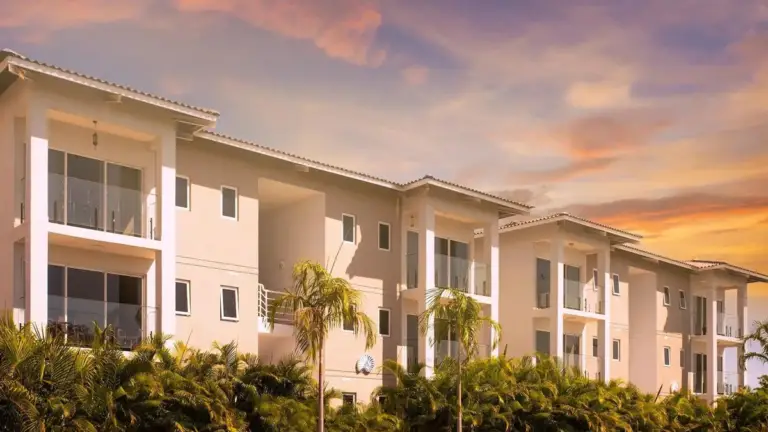 9 Oct 2026Beach apartments in Panama: areas and how to chooseBeach areas checked against open sources, what to review in the PH and beach access, and GLP's projects in Chame and West Panama.
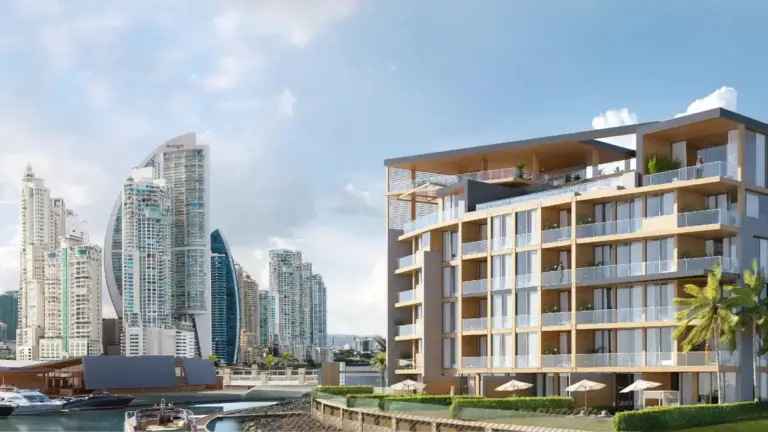 8 Oct 2026Luxury Apartments in Panama: A Comparison of GLP ProjectsOcean Reef Islands, Oceana, The Reserve, Ocean House and Bosco di Santa María compared by area, unit type, views and amenities, plus six criteria for choosing.
 26 Sep 2026Buying property in Panama as a foreigner: process, taxes and exemptionsWhat a foreigner can buy in Panama, the buying process step by step, transaction taxes, annual property tax and exemptions, the most sought-after areas and the mistakes to avoid.
All articles on this topic
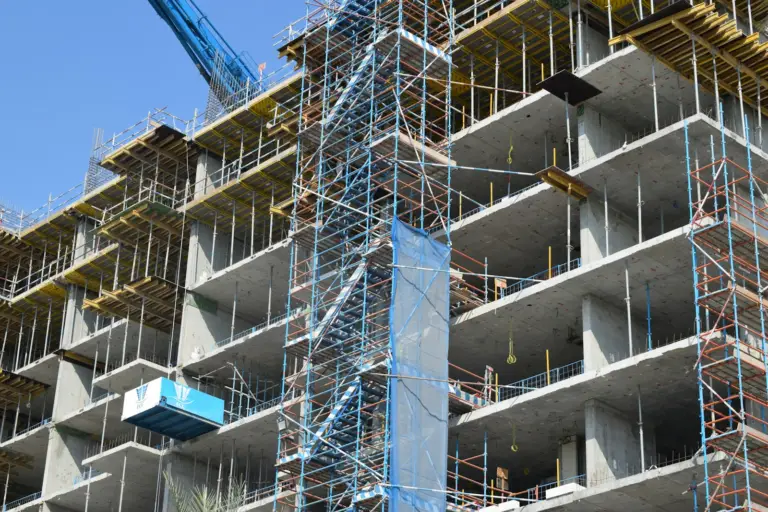 15 Oct 2026Buying Pre-Sale in Panama: Purchase Promise, Payments and HandoverThe six stages of a pre-sale purchase, the contents Law 284 of 2022 requires in the promise for a new…
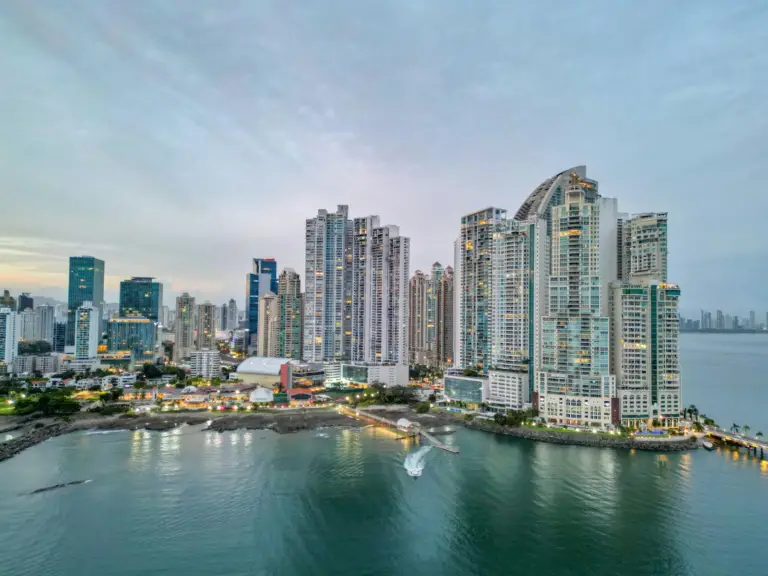 14 Oct 2026Apartments in Costa del Este: Waterfront Towers and How to ChooseWhich GLP projects are in Costa del Este according to its website, how pre-sale differs from under construction, and a…
 13 Oct 2026Smart City in Panama: What It Is and Ten Criteria to Evaluate OneA smart city definition, ten criteria with questions to evaluate one and what Green Valley publishes on each point, with…
 13 Oct 2026Living Next to Golf in Panama: The Reserve and Bosco di Santa MaríaA comparison of GLP projects in Santa María, with facts about the Nicklaus Design golf course and a list of…
 12 Oct 2026RM3, C1 and C2 Zoning in Panama: What Can Be Built on Each LotA table of RM3, RM3-C2, C1, C2 and SIU2 codes per Green Valley, the legal definition of zoning and the…
 11 Oct 2026Margaritaville and Armonía: Panama Residences With a Rental ProgramA comparison of Margaritaville Playa Caracol and Armonía Cinta Costera, with what the sources say about rentals, what remains to…
 10 Oct 2026Land for Sale in Panamá Norte: Access, Zoning and How to Evaluate ItA developer guide to land in Panamá Norte: access routes, standalone plot versus planned lot, and steps to verify title…
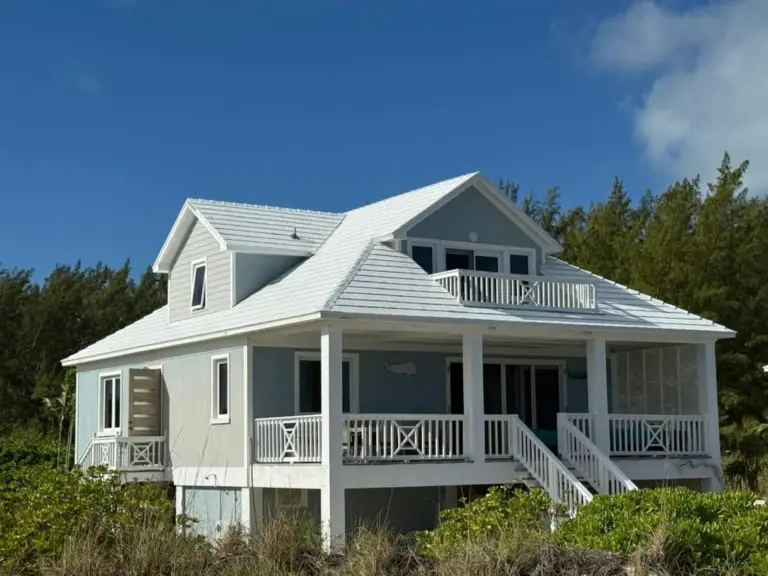 10 Oct 2026Beach Houses Near Panama City: Playa Caracol, Playa Dorada and BaysideA comparison table of three GLP projects with houses or townhouses and a beach club, with distances to the city…
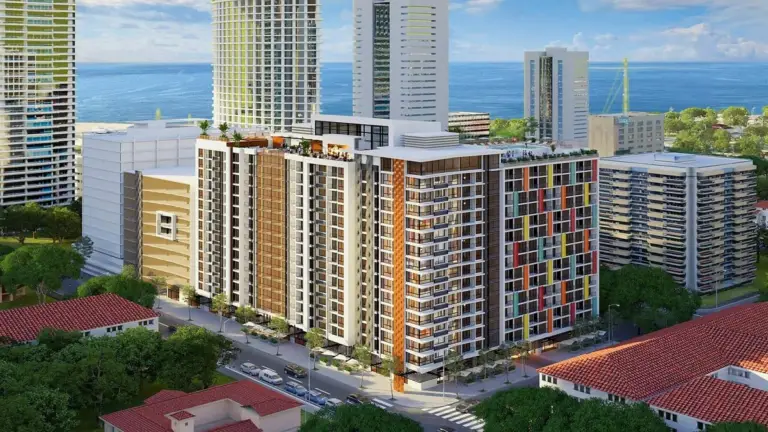 6 Oct 2026Armonía Cinta Costera: New Apartments in Panama CityLocation, models, Costana Strip and apart-hotel units at Armonía, plus a checklist based on Law 284 of 2022 for buying…
 5 Oct 2026Oceana Residences & Skyhomes in Santa María: Collections and Area GuideWhat the official pages confirm about Oceana Residences & Skyhomes: location, five collections, amenities, the Santa María golf course and…
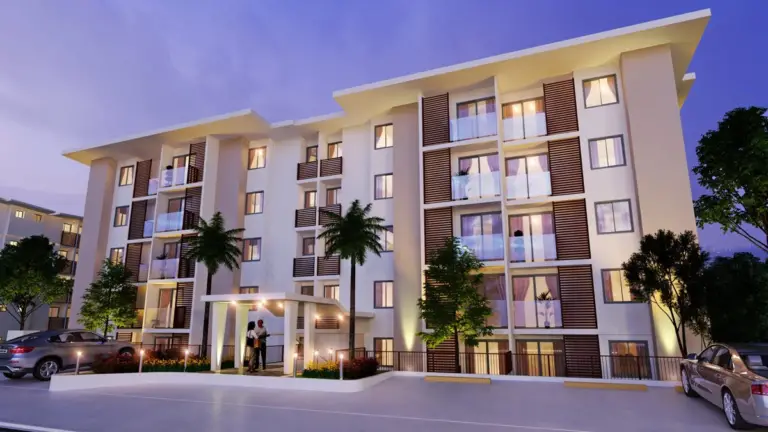 5 Oct 2026Panamá Viejo Residences: location, models and amenitiesWhere Panamá Viejo Residences is, which models and amenities appear in official sources, where sources differ and what to ask…
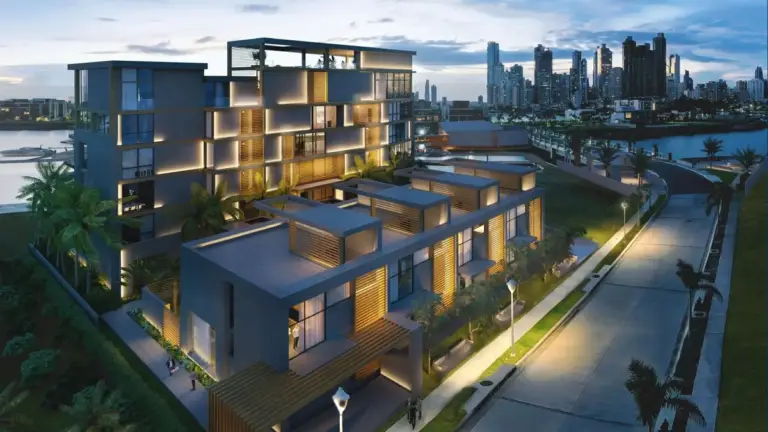 5 Oct 2026Apartments for Sale in Punta Pacífica and Ocean Reef IslandsA guide to Punta Pacífica and to Ocean Reef Islands, the GLP project on artificial islands facing the area: property…
 1 Oct 2026Possessory rights versus property title in Panama: what each is, how to verify and how to obtain titleA title is a property registered in the Public Registry; a possessory right is recognised occupation of State land that…
 26 Sep 2026Horizontal property in Panama: how a PH works, fees, assembly and owners’ rightsWhat a PH is, who runs it, how the fee is calculated, what the contingency fund is and what happens…
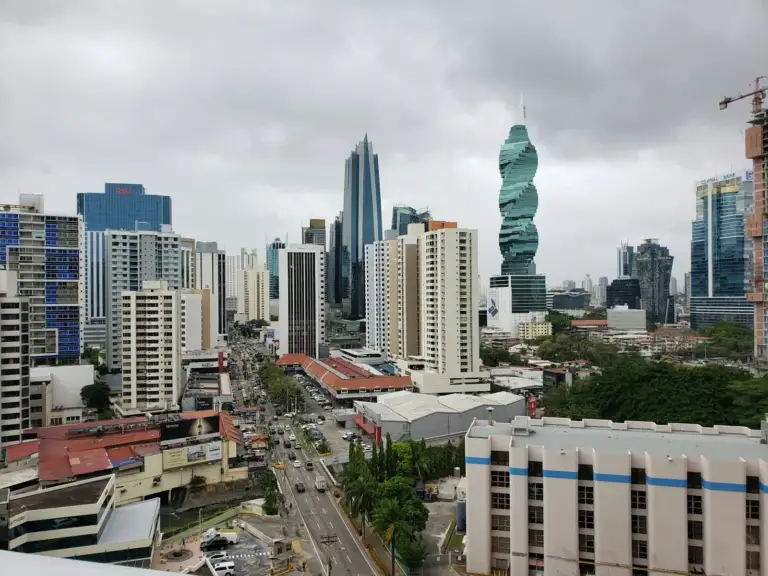 26 Sep 2026Which developers and residential projects AI recommends in Panama: Radar AI studyRadar Panamá asked Perplexity and Brave AI 20 questions: 106 mentions, 31 developers and 34 projects. GLP appears in all…
 26 Sep 2026Best real estate lawyers in Panama for foreign buyers: ranking of eight firmsWhat a real estate lawyer does in a purchase and eight firms in Panama City ranked by Google reviews, with…
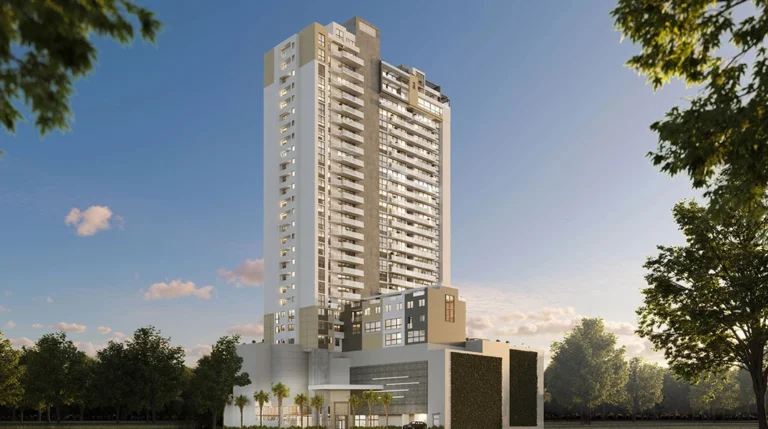 26 Sep 2026Oceana Residences & Sky Homes: what the luxury project inside Santa María Golf & Country Club offersWhere Oceana is, the Jack Nicklaus golf course, the Residences and Sky Homes collections, the amenities and which investor the…
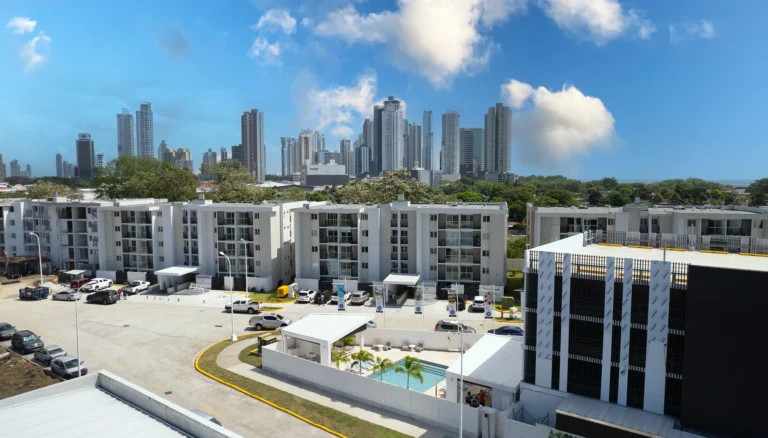 26 Sep 2026Best residential projects in Panama for foreign investors: five developments comparedIpanema, Panamá Viejo Residences, Playa Dorada, Bayside and Oceana compared by location, unit type, amenities and investor profile, with the…
Other topics
Last verified: 19 October 2026. Each fact links to its official source.
- What a foreigner can and cannot buy
- Property title versus possessory right
- The purchase process step by step
- Horizontal property and pre-sale purchases
- Zoning: what can be built
- Preferential interest for new homes
- Areas, project types and how to assess a developer
- Myths and reality
- Frequently asked questions
- Sources
What a foreigner can and cannot buy
The Constitution does not distinguish between Panamanians and foreigners for buying a home or a commercial unit in a city, with one territorial exception. Article 291 of the Constitution bars foreign individuals and companies, and Panamanian companies with total or partial foreign capital, from acquiring national or private land less than ten kilometres from the borders. Article 290 adds that no foreign government or official entity may acquire ownership of any part of the national territory, with the exception of embassy premises.
Residency is not required to buy. It is a separate procedure, and real estate investment is only one of the routes to it, as the guide to buying property in Panama as a foreigner: process, taxes and exemptions explains. That guide also covers the usual ownership structures: in a personal name, through a company or through a private interest foundation, each with different tax consequences and different access to primary-residence benefits.
Property title versus possessory right
A property title is a registered estate (finca) at the Public Registry, with a finca number and a folio. A possessory right is the recognised occupation of State land that has no registered estate yet. The difference decides whether the asset can be mortgaged, insured and sold with certainty, and the guide on possessory rights versus property title develops it with real cases of fraud and double sales.
| Aspect | Property title | Possessory right |
|---|---|---|
| Where it is recorded | Registered estate at the Public Registry | Recognised occupation, no registered estate |
| How it is transferred | Public deed, registered | Assignment of rights, no estate registration |
| Mortgage and insurance | Possible | In practice, no |
| How it is checked | Search by finca number at the Public Registry | File and survey plan at ANATI |
| Path to ownership | Already owned | Adjudication and registered title |
The law that governs titling of coastal and island land is Law 80 of 2009. Its Article 3 recognises the possession of anyone who has exercised material control as an owner, peacefully and without interruption, for more than five years. Article 5 allows free titles for plots of up to 50,000.00 square metres in the adjudicable coastal zone, and Article 10 excludes mangroves, indigenous and comarca territories and protected areas from titling. The procedure page on Panamá Digital says the process belongs to the National Land Administration Authority (ANATI) and requires a survey plan, a petition and proof of possession, including statements from at least three witnesses.
Whoever buys a possessory right buys a file in progress, not an estate: ownership comes only after an adjudication that depends on meeting the law and on there being no opposition.
The purchase process step by step
A sale is completed by registration at the Public Registry, not by signing the deed. Until then the buyer does not appear as owner against third parties. Online searches at the Public Registry work by finca (properties) or by ficha (companies), according to the Public Registry’s online search instructions, and require signing up with a user name and password.
- Purchase promise. It sets the price, payment terms, deposit and penalties. A lawyer should review it before any reservation money is handed over.
- Title search. The estate is checked to confirm who the owner is and whether there are mortgages, seizures or annotations. The professional’s role is described in the guide to real estate lawyers for foreign buyers.
- The seller’s tax steps. Before the deed, the seller settles with the Tax Authority (DGI) for the transfer and the capital gain; the details are in the guide to the taxes of a purchase.
- Public deed. It is signed before a notary and can be granted through a power of attorney.
- Registration. The deed is filed at the Public Registry; from then on the property stands in the buyer’s name.
- Primary-residence declaration. Where applicable, it is filed with the DGI for the property tax benefit.
Funds are usually routed through an escrow account at a bank or law firm until registration. It is not a legal requirement but a safety practice that law firms recommend.
Horizontal property and pre-sale purchases
An apartment is bought within the horizontal property regime (PH, from propiedad horizontal). Law 284 of 14 February 2022 regulates that regime and replaces Law 31 of 2010, according to the Ministry of Housing and Territorial Planning (MIVIOT). Each owner holds a title to the unit and a share of the common areas. That share is set in the co-ownership rules and determines the monthly common-expense fee. The guide on how a PH works, its fees, assembly and owners’ rights also covers the contingency fund and the consequences of late payment.
MIVIOT, through its Horizontal Property Directorate, handles incorporation into, modification of and withdrawal from the regime, and it reviews the minutes of owners’ assemblies.
Buying in pre-sale adds a timing risk: money is paid during construction for a unit that does not yet exist. The central document is the purchase promise, which should state the price, payment plan, estimated delivery date and penalties. Under Law 284, the promise for a new home must state the unit’s actual square metres excluding common areas, the description of the land and the number of parking spaces that go with it. The same law requires the developer to keep a domicile in Panama and to meet the agreed deadlines, and it sets rules on administration fees from the occupancy permit onward. The guide to buying pre-sale: purchase promise, payments and handover covers the questions to put to a developer in writing.
Zoning: what can be built
Zoning is the territorial division of an urban centre or undeveloped area to regulate land use by homogeneous areas. That is how Article 5 of Law 6 of 1 February 2006, which regulates territorial planning for urban development, defines it. Each lot has a zone code that sets permitted uses, density, height and setbacks.
A seller’s marketing is not enough to know what a specific lot allows. MIVIOT Resolution 4 of 2009 (Official Gazette 26221) sets the procedure for land-use or zone-code certifications, and for road easement and building line certifications, which are processed separately. The application is filed with the estate data (number, volume, folio, lot and area), a Public Registry certificate issued no more than three months earlier and a regional location map at 1:5,000. Technical consultations can only be made by the responsible architect or another designated by the owner or the owner’s representative.
The codes most often cited in city projects are explained in the guide to RM3, C1 and C2 zoning: RM for high-density multifamily housing, C for commercial use. Anyone buying land to build must distinguish density from number of units, since the first becomes the second through parking, setback and occupants-per-dwelling rules. The note on land in Panamá Norte and how to evaluate it applies those criteria to a concrete case.
Preferential interest for new homes
Preferential interest is a State subsidy on the rate of a mortgage for a new home. The rules are Law 468 of 24 April 2025, amended by Law 481 of 2025, which took effect on 1 January 2026. The State subsidises the lower of the tranche rate and up to 85% of the rate the bank offers. Tranches depend on the purchase price at the time of financing and on location: Region 1 covers Panamá and Panamá Oeste provinces, and Region 2 covers Colón and the rest of the country.
| Tranche | Value of the new home | Region 1 | Region 2 |
|---|---|---|---|
| 1 | Up to B/.50,000.00 | 5.0% for 8 years | 5.5% for 8 years |
| 2 | B/.50,000.01 up to B/.80,000.00 | 4.5% for 7 years | 5.5% for 8 years |
| 3 | B/.80,000.01 up to B/.120,000.00 | 4.0% for 7 years | 4.0% for 7 years |
The terms cannot be renewed. The law requires the loan to finance the purchase or construction of a new home, defined as one acquired for the first time after construction and not previously inhabited, intended as the main residence and located in Panama. The price, including land and improvements, cannot exceed B/.120,000.00. The beneficiary must have no home registered at the Public Registry and can use the benefit only once.
For a foreigner, the decisive requirement is a different one. Article 3 of Law 468 provides that beneficiaries must be Panamanians or foreigners with permanent residency in the Republic. A non-resident buyer or one with provisional residency is left out. How permanent residency is reached is covered by the guides in the visas and residency section of Radar Panamá.
Areas, project types and how to assess a developer
The residential market is organised into a few areas with distinct profiles. The city concentrates tower apartments, in places such as the Costa del Este waterfront or Punta Pacífica. On the Pacific coast, beach apartments and beach houses near the capital predominate. There are also planned communities, such as those in the guide to living next to a golf course, and projects with managed rental programs, which change the owner’s obligations.
Each type raises its own questions: on the coast, who holds title to the land; in the city, the PH rules; in planned communities, the master plan. The guide to ten criteria to evaluate a smart city offers a checklist that fits any development marketed that way.
Assessing a developer comes down to verifiable facts:
- Previous deliveries: finished and handed-over buildings that can be visited.
- Construction financing: which bank finances the project and whether a performance bond exists.
- Domicile and standing: Law 284 requires the developer to state a domicile in Panama and keep the company active while the warranty runs.
- Permits and zoning: the zone-code certification and the status of the building permit.
- Contract: reviewed by an independent lawyer, with delivery dates and penalties in writing.
Artificial-intelligence recommendations about developers, such as those gathered in the study on which developers and projects AI recommends, show which brands appear most often, not which ones perform best. A comparison of projects for foreign investors, with its selection criteria, is in residential projects for foreign investors.
Myths and reality
- Believed: a foreigner needs residency to buy. The rule: the Constitution only limits the ten-kilometre border strip (Article 291); residency is an independent procedure.
- Believed: buying gives an automatic right to reside. The reality: residency by investment is a route with its own requirements, covered in the foreign buyer guide and in the residency section.
- Believed: a possessory right is the same as owning. The rule: Law 80 of 2009 recognises it as possession and allows an adjudication request; title exists only once registered.
- Believed: a signed deed already makes the buyer the owner. The reality: ownership stands against third parties once the deed is registered at the Public Registry.
- Believed: preferential interest is open to any buyer. The rule: Law 468 requires a Panamanian or a foreigner with permanent residency, a new home as main residence and a price of up to B/.120,000.00.
- Believed: a project’s marketing is the same as its land-use permit. The reality: what a lot allows is certified by MIVIOT under Resolution 4 of 2009.
Frequently asked questions
Can a foreigner buy property in Panama?
Yes, and without having to live in the country. The Constitution only bars foreigners from acquiring land less than ten kilometres from the borders (Article 291). This guide does not replace professional advice.
What is the difference between property title and a possessory right?
A title is a registered estate at the Public Registry, while a possessory right is recognised occupation of State land with no registered estate. Law 80 of 2009 lets anyone who shows more than five years of peaceful, uninterrupted possession apply for titling.
Can a foreigner buy an apartment in a building sold in pre-sale?
Yes, through a purchase promise with the developer. Law 284 of 2022 regulates the horizontal property regime and sets what that promise must contain for a new home, so a lawyer should review it before any payment.
Can a foreigner get preferential interest?
Only with permanent residency in Panama. Law 468 of 2025 limits the benefit to Panamanians and foreigners with permanent residency, for a new home used as main residence and worth up to B/.120,000.00.
How is it checked what can be built on a plot?
With the zone-code certification issued by MIVIOT. The procedure is in Resolution 4 of 2009 and asks for estate data, a recent Public Registry certificate and a location map.
Sources
All sources were consulted on 19 October 2026.
- Political Constitution of the Republic of Panama, current text (Electoral Tribunal), Articles 290 and 291.
- Law 80 of 31 December 2009, Official Gazette 26438-B (ANATI).
- Panamá Digital, recognition of possessory rights and adjudication (ANATI).
- Public Registry of Panama, online search instructions.
- Law 284 of 14 February 2022, Official Gazette 29476-C.
- MIVIOT, Horizontal Property Directorate.
- Law 6 of 1 February 2006, Official Gazette 25478 (MIVIOT).
- Resolution 4 of 2009 of the Ministry of Housing, Official Gazette 26221.
- Law 468 of 24 April 2025, Official Gazette 30264-A.
- Law 481 of 2025, Official Gazette 30361-C.